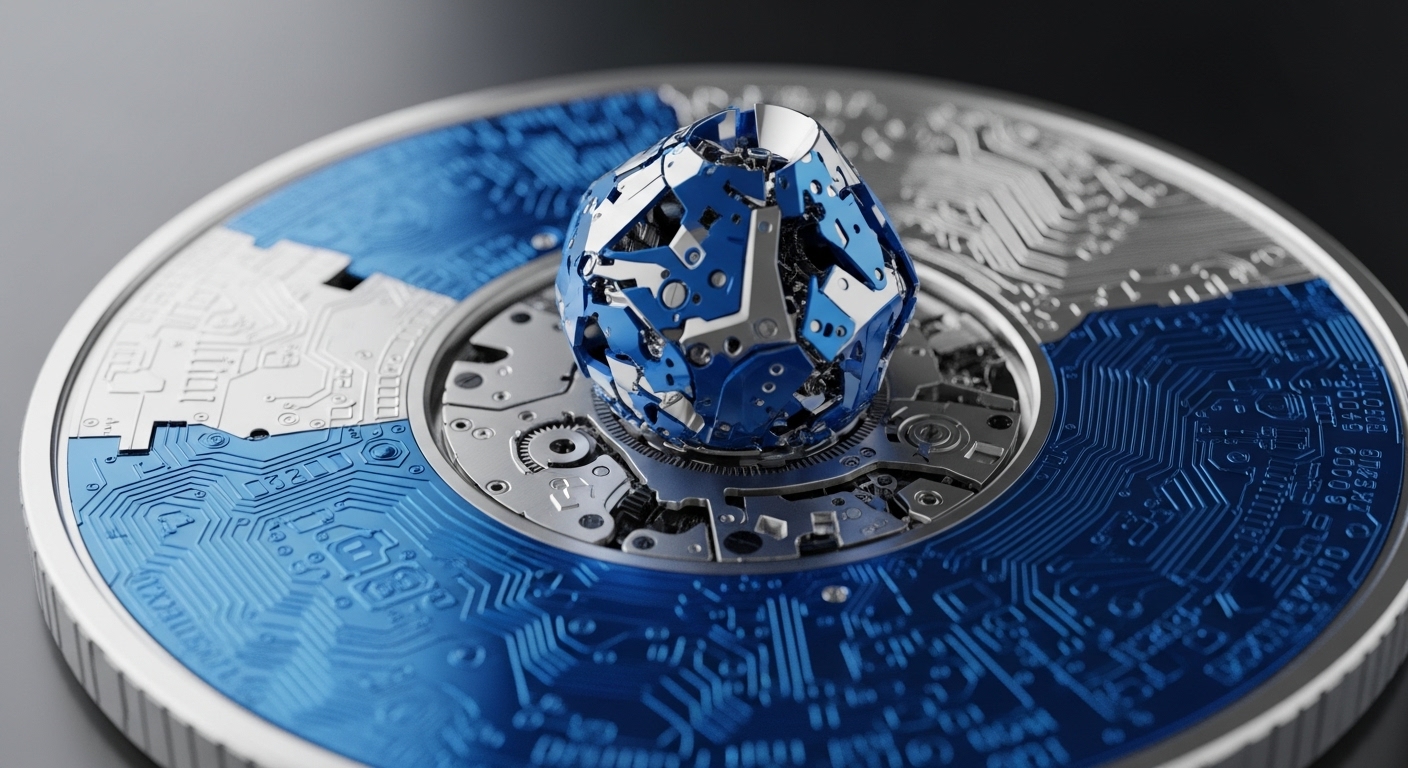
Definition ∞ Portfolio Integration refers to the process of combining various digital assets into a single, cohesive investment strategy or management system. This involves consolidating different cryptocurrencies, NFTs, and other tokenized assets from various exchanges, wallets, and decentralized protocols into a unified view for monitoring, analysis, and strategic allocation. Effective integration allows investors to gain a comprehensive understanding of their overall digital asset holdings, manage risk, and execute informed trading or investment decisions. It simplifies the oversight of diverse and distributed digital wealth.
Context ∞ The discussion surrounding Portfolio Integration in crypto is driven by the increasing complexity and fragmentation of the digital asset landscape. A key debate involves developing secure and interoperable tools that can seamlessly aggregate data from numerous on-chain and off-chain sources while preserving user privacy and control. Future developments will likely focus on advanced analytics platforms, decentralized identity solutions, and standardized APIs that enable more sophisticated and automated management of multi-asset, multi-chain digital portfolios, making digital asset management more accessible and efficient.

Blockchain Knowledge

Cryptocurrency Foundation

Cryptospace Newsfeed